











Why UK importers and exporters need smarter freight partners
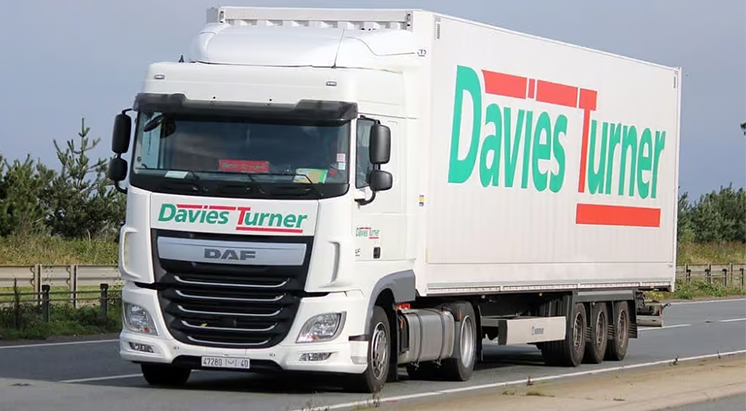
Supply chain management has become increasingly complex for UK businesses. Changing customs regulations, geopolitical uncertainty, rising freight costs, and growing customer expectations are creating new challenges for importers and exporters.
One of the biggest developments for UK importers is the requirement to submit Entry Summary Declarations (ENS) for goods arriving from the EU. These safety and security declarations require more detailed information before shipments reach the UK, increasing the importance of accurate data and advance planning.
The UK's Border Target Operating Model (BTOM) is also fully operational, bringing stricter checks on documentation, product origin, and sanitary and phytosanitary (SPS) requirements for food, plant, and animal products. At the same time, HM Revenue & Customs (HMRC) is placing greater emphasis on rules of origin, making it essential for businesses to maintain proper records and correctly classify goods using HS codes.
With the Customs Declaration Service (CDS) now the UK's sole customs declaration platform, accurate customs submissions are more important than ever. Errors can result in delays, additional costs, and supply chain disruptions. Certain sectors, including steel, also face additional safeguard measures and quota requirements.
For exporters, trading with the EU continues to involve full customs procedures, including export declarations and proof of origin documentation. New changes are also on the horizon. From 1 July 2026, the EU will introduce a revised low-value consignment regime, applying a new customs fee to goods valued at up to €150. This may increase costs for e-commerce businesses exporting to European customers.
Environmental regulations are becoming another important consideration. The Carbon Border Adjustment Mechanism (CBAM) is increasing reporting requirements for products such as steel, aluminium, and fertilisers entering the EU. Although the UK and EU have agreed to simplify some aspects of food trade, most of the expected benefits will not take effect until 2027, meaning many SPS requirements remain in place throughout 2026.
Beyond regulatory changes, global events continue to impact international logistics. Ongoing instability in the Middle East has disrupted traditional shipping routes through the Red Sea and Suez Canal, forcing many carriers to use longer routes. The result is higher freight costs, longer transit times, and increased pressure on supply chains, particularly for businesses importing goods from Asia.
At the same time, customers expect faster deliveries, real-time shipment visibility, and reliable service. Businesses can no longer afford delays caused by customs errors, incomplete documentation, or poor logistics planning.
In this environment, freight forwarding is about far more than moving goods from one place to another. It requires expertise in customs compliance, international regulations, transport planning, and risk management.
As international trade becomes more challenging, having a trusted freight forwarder is essential. An experienced logistics partner can help businesses navigate changing customs requirements, manage complex documentation, reduce the risk of delays, and identify the most efficient shipping solutions.
For UK importers and exporters, the right freight forwarder provides more than transportation services – they provide expertise, visibility, and peace of mind. In a year defined by regulatory change and supply chain uncertainty, partnering with a reliable freight specialist can help ensure a smooth, compliant, and cost-effective freight forwarding process from origin to destination.
Written Aura Poskute-Slancauskiene, Ocean Operations, Davies Turner